
In order to 用法 為了… 目的不定詞片語文法結構解析
在學習英文的過程中,許多人都曾對「in order to」這個片語感到既熟悉又困惑。它看起來很簡單,但到底該怎麼用才正確?什麼時候可以省略「in order」?它和「so that」又有什麼不同?今天,我們就來徹底解析這個用來表達「為了…」目的不定詞片語的文法結構,透過清晰的比較與實例,讓你一次掌握其核心用法,提升英文寫作的準確性與流暢度。

「In Order To」的核心概念與文法定位
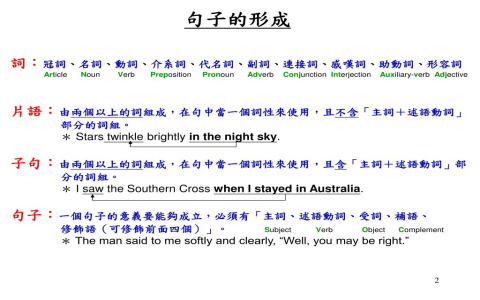
「In order to」是一個目的不定詞片語,其唯一的功能就是表達某個行動背後的目的或意圖。它將一個句子中的「動作」和「目的」緊密連結起來,讓語意更加明確。從文法上來說,「in order to」後方必須接原形動詞,所形成的片語在句中作為副詞使用,用來修飾主要動詞。
例如:「我每天運動是為了保持健康。」英文就可以說成:I exercise every day in order to stay healthy. 這裡的「in order to stay healthy」就是說明「運動」這個動作的目的。
根據語言學家William R. Smalzer在著作《Grammar in Use》系列中強調,這類目的狀語是英文邏輯架構的重要環節,能讓句子間的因果關係更清晰。理解這個結構,是寫出地道英文句子的關鍵一步。
完整形式與省略形式的用法比較
你可能常聽到有人說「to」可以代替「in order to」。事實上,在大多數情況下,單純使用「to」來表達目的是完全正確且更簡潔的。然而,兩者在語氣和用法上有細微差別。
為了讓大家一目了然,我們用以下表格比較:
| 用法情境 | 完整形式 (In Order To) | 省略形式 (To) | 說明 |
|---|---|---|---|
| 一般目的陳述 | She studies hard in order to pass the exam. | She studies hard to pass the exam. | 兩者皆可,後者更為常見。 |
| 目的置於句首時 | In order to catch the train, he left early. | To catch the train, he left early. | 兩者皆可,置於句首時更能強調目的。 |
| 需要特別強調目的時 | We must take action now, in order to prevent further damage. | – | 在正式或書面語中,為避免歧義或加強語氣,使用完整形式更佳。 |
| 目的與主要動詞距離較遠時 | He invested in new technology in order to, over the long term, reduce operational costs. | 使用「to」可能使句子結構模糊。 | 完整形式能使長句中的目的更清晰。 |
擁有TESOL認證的資深外籍教師Michael Chen在課堂上常提醒學生:「當你對是否該用『in order to』感到猶豫時,直接用『to』通常是安全的選擇。但如果你想在學術寫作或正式場合中讓句子聽起來更有力、更清晰,那麼使用完整形式會是更好的策略。」
「In Order To」與「So That」的關鍵區別
這是學習者最容易混淆的一組概念。雖然中文都翻譯成「為了…」,但它們的文法結構截然不同。
- 「In order to」:後方接原形動詞,前後主詞必須是同一個。
例句:I saved money in order to buy a new laptop. (我存錢是為了買新筆電。)「存錢」和「買」的主詞都是「我」。
- 「So that」:後方接一個完整的子句,需要有自己的主詞和動詞,且常伴隨情態動詞(如can, could, will, would)。

例句:I saved money so that I could buy a new laptop. (我存錢是為了讓我能買新筆電。)「so that」後引入了新的主詞「I」和動詞「could buy」。

簡單記法:主詞相同用「to/in order to」,主詞不同則必須用「so that」。 這個區分是英文文法嚴謹性的體現,也是寫作時避免錯誤的重點。
常見錯誤與正確使用技巧
了解規則後,避開常見錯誤能讓你的英文更上一層樓。以下是幾個必須留心的陷阱:
- 錯誤連接動名詞:不可說「in order to + Ving」。
(誤)He works overtime
in order to finishingthe project.(正)He works overtime in order to finish the project.
- 誤用於過去單一事件:目的不定詞通常表示「計畫中」或「習慣性」的目的。對於已發生的單一事件,常使用「so that」子句或過去式動詞。
(較不自然)He hurried to the station
in order to catchthe train. (但文法沒錯)
(更自然)He hurried to the station so that he could catch the train. 或 He hurried to the station and caught the train.
- 否定句的用法:表達「為了不…」時,否定詞「not」必須放在「in order to」或「to」之前。
例句:She left quietly in order not to wake the baby.

在學術與職場寫作中的進階應用
在正式寫作中,目的不定詞片語是構建嚴謹論述的重要工具。它能夠清晰呈現研究步驟、商業策略背後的意圖。例如,在一份市場報告中你可能寫道:
「本公司進行了此次消費者調查,旨在深入了解年輕族群的消費偏好。」 英文可譯為:The company conducted this consumer survey in order to gain a deep understanding of the preferences of the younger generation.
根據《劍橋學術英文寫作指南》的建議,在論文的方法論部分,使用「in order to」能更正式地闡明研究設計的初衷,比單用「to」更具學術嚴謹性。例如:「The data was analyzed twice, in order to ensure accuracy.」
關於「In Order To」的常見問題解答
問:「In order to」開頭的句子,後面需要逗號嗎?
答:是的,當「In order to」片語置於句首時,其後通常需要加逗號,與主要子句隔開。例如:In order to succeed, one must persevere.
問:口語中到底用「to」還是「in order to」?
答:在日常口語中,絕大多數情況下會使用簡潔的「to」。使用完整的「in order to」可能會讓語氣聽起來較為正式、刻意或強調。

問:可以說「for + Ving」來代替「in order to」嗎?
答:不行。「for」後面應接名詞或動名詞,表示用途,但邏輯上不等同於目的狀語。例如:This is a tool for opening cans. (這是開罐頭的工具。)若要表達動作目的,仍應使用「to open」。
問:如何加強練習這個文法點?
答:最好的方法是「造句練習」。試著用同一件你想做的事,分別用「to」、「in order to」和「so that」造句。例如:「學英文」:I practice daily to improve. / I practice daily in order to improve quickly. / I practice daily so that I can work abroad in the future.
總結來說,掌握「in order to」的用法,關鍵在於理解其作為目的不定詞片語的本質,並能靈活區分它與「so that」的應用場景。從今天起,在寫作時多留意一下目的的表達,選擇最精準的形式,你的英文必定會顯得更加地道與專業。
本文參考資料來源:
1. Smalzer, W. R. (2005). Grammar in Use Intermediate. Cambridge University Press. https://www.cambridge.org
2. Cambridge University Press. (n.d.). Cambridge Grammar of English. https://www.cambridge.org

3. 英國文化協會(British Council)英文學習文法頁面。 https://learnenglish.britishcouncil.org