使用「but」連接詞:例如「I’m sorry, but you also…」。這會讓道歉聽起來像指責,瞬間抵消歉意。
過度道歉:一再重複「I’m so so sorry」,可能讓人覺得不真誠或焦慮,而非悔意。
模糊不清:只說「I’m sorry for what happened」,卻不具體說明何事,顯得缺乏誠意。
推卸責任:類似「I’m sorry if you felt offended」(如果你感到被冒犯,我很抱歉)的說法,被稱為「非道歉式道歉」,將責任轉移到對方情緒上,是最大地雷。
真正的sincere apology應聚焦於自身行為及其影響,而非對方的反應。
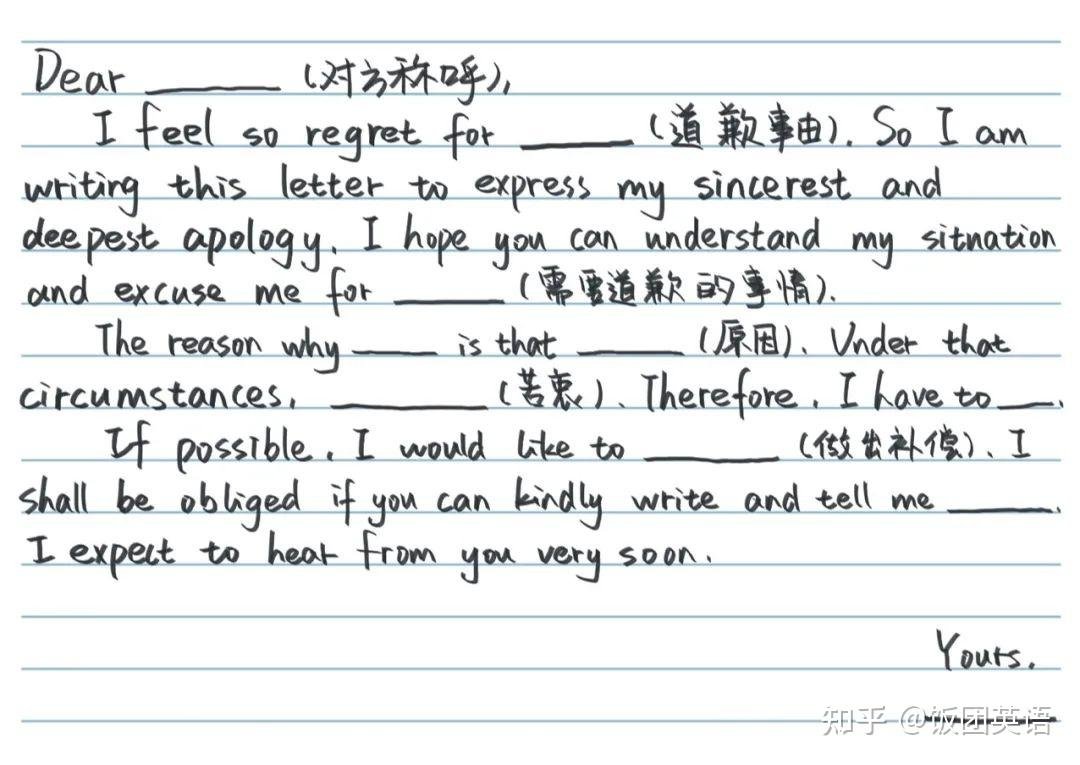
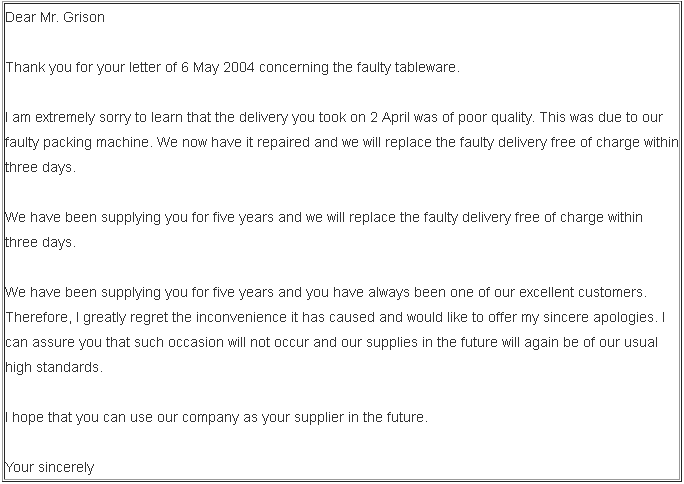
情境範例:一封完整的正式道歉信
假設因專案延誤需向客戶致歉,以下為範例:
Subject: Sincere Apologies for Project Delay – [Project Name]
Dear Ms. Chen,
Please accept my sincere apologies for the delay in submitting the deliverables for the above-mentioned project, originally due on [Date].
The delay was due to an internal miscommunication regarding the final review cycle, for which I take full responsibility. I understand that this has disrupted your timeline and planning, and for that, I am truly sorry.
To ensure timely completion, our team has prioritized this project and will expedite the remaining work. We will deliver the complete files by [New Date, ideally within 2 business days]. Additionally, we have updated our internal workflow to prevent similar issues in the future.
Thank you for your patience and understanding. Please feel free to contact me directly if you have any concerns.